
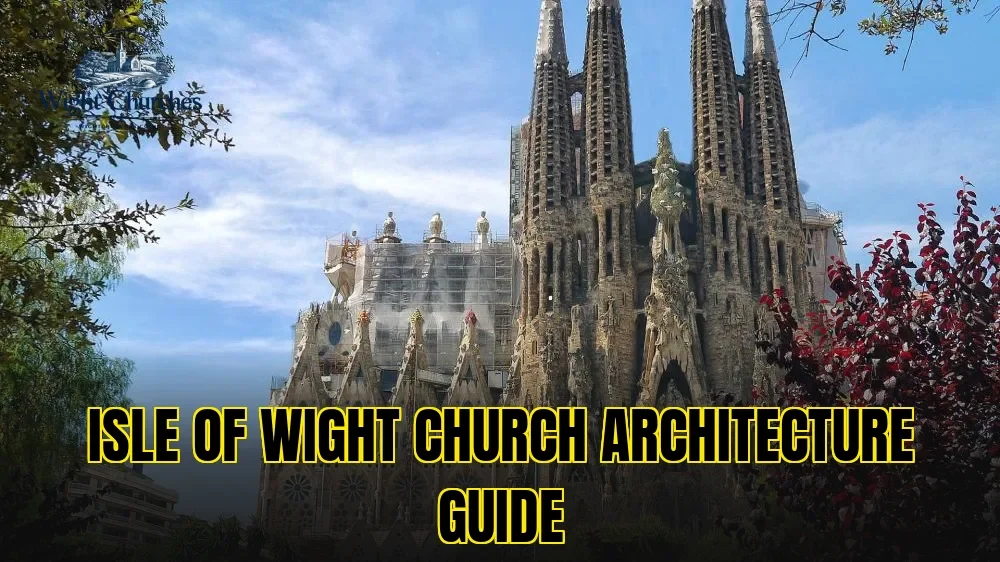
If you have ever wandered through the quiet lanes of the Isle of Wight and paused before a weathered Norman doorway or a soaring Victorian spire, you already understand why an isle of wight church architecture guide is an essential companion for any serious explorer. The island holds over eighty ancient churches, each carrying centuries of craftsmanship, devotion, and regional identity within its walls. From pre-Conquest foundations to elaborate Gothic revivals, the architectural range is extraordinary and deeply rewarding for anyone who appreciates sacred heritage.
Why The Isle Of Wight Church Architecture Guide Matters For Heritage Explorers
Understanding church architecture on the Isle of Wight requires more than simply admiring stonework from a distance. Each building encodes a precise historical moment — a patron’s ambition, a community’s resources, a craftsman’s regional tradition. The isle of wight church architecture guide approach encourages visitors to read buildings the way scholars read manuscripts, decoding stylistic layers that span a thousand years of continuous religious practice on this compact and remarkably preserved island.
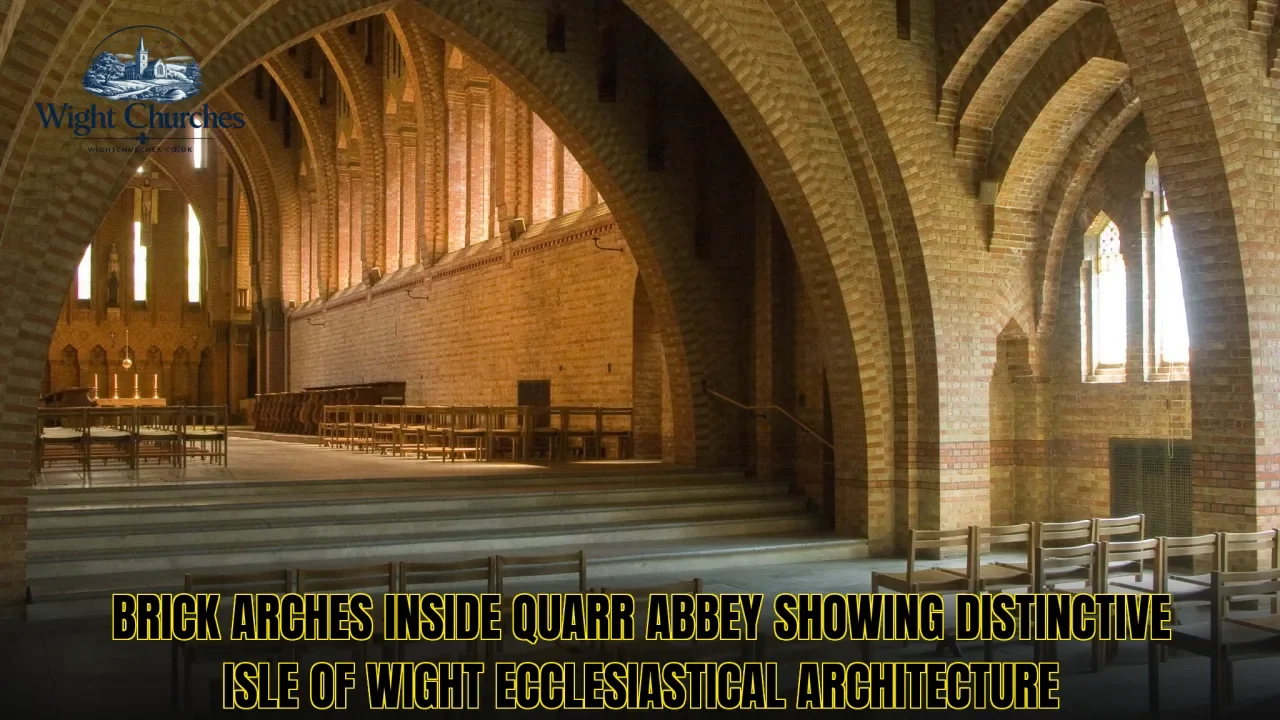
The Norman Foundation: Reading Romanesque Survivals
Norman architecture arrived on the Isle of Wight following the Conquest of 1066, and its traces remain visible in rounded arches, thick rubble walls, and deeply splayed window openings across dozens of parish churches. St Mary the Virgin at Carisbrooke displays one of the finest Norman chancel arches on the island, its chevron ornament still crisp despite nine centuries of exposure. Identifying these features is central to any serious isle of wight church architecture guide because they establish the chronological baseline from which all later stylistic evolution departs.
Early English And Decorated Gothic Transitions
The thirteenth and fourteenth centuries brought pointed arches, ribbed vaults, and increasingly elaborate window tracery to island churches. The transition from Romanesque solidity to Gothic verticality can be traced beautifully at St Lawrence Old Church near Ventnor, one of the smallest medieval churches in England, where Early English lancets pierce walls of extraordinary antiquity. Decorated Gothic elements — flowing tracery, ballflower ornament, ogee curves — appear in several chancel additions that wealthy landowners commissioned during the prosperous decades before the Black Death reshaped the island’s demographic landscape entirely.
Perpendicular Towers And Late Medieval Craftsmanship
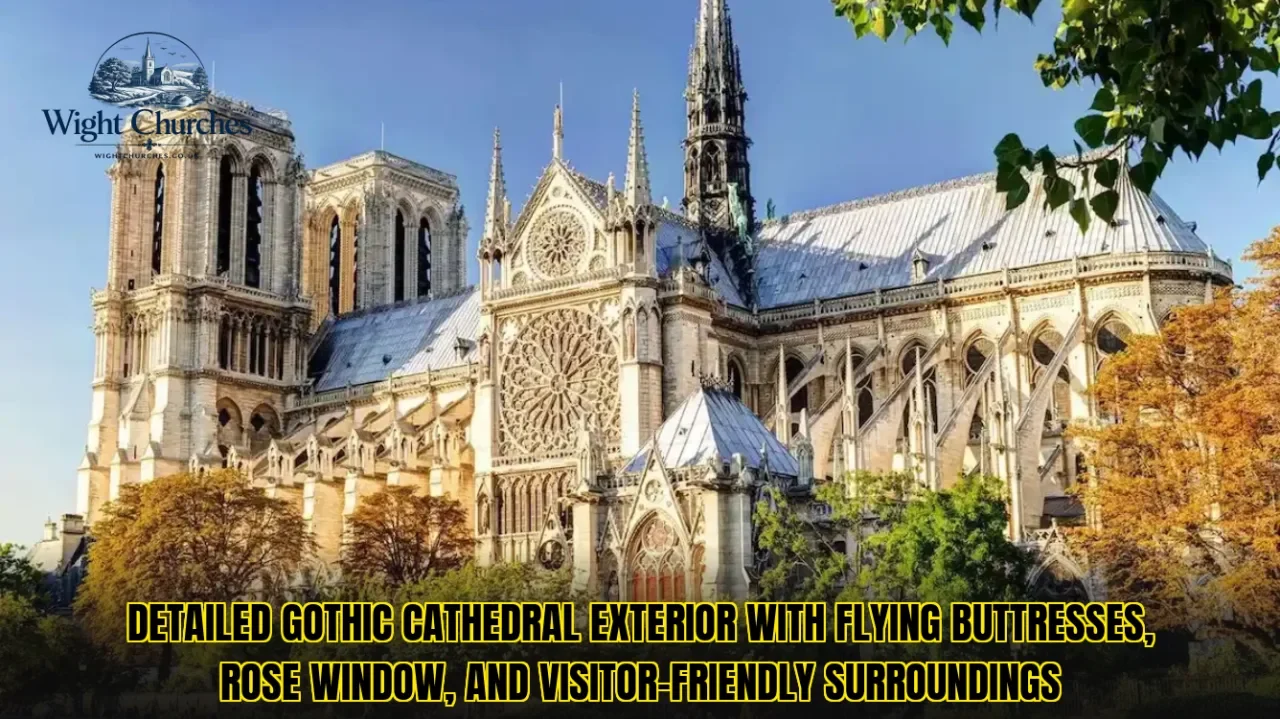
The Perpendicular style, dominant from roughly 1350 to 1530, introduced the characteristic square-headed windows and soaring tower profiles that define many island skylines today. St Mary the Virgin at Brading possesses a tower that exemplifies this phase, its battlemented parapet and corner buttresses demonstrating the confident civic ambition of late medieval parish communities. Recognising Perpendicular work within a comprehensive isle of wight church architecture guide framework helps visitors appreciate how English Gothic reached its most technically refined expression just before the Reformation interrupted the tradition entirely.
Key Architectural Features Covered In A Complete Isle Of Wight Church Architecture Guide
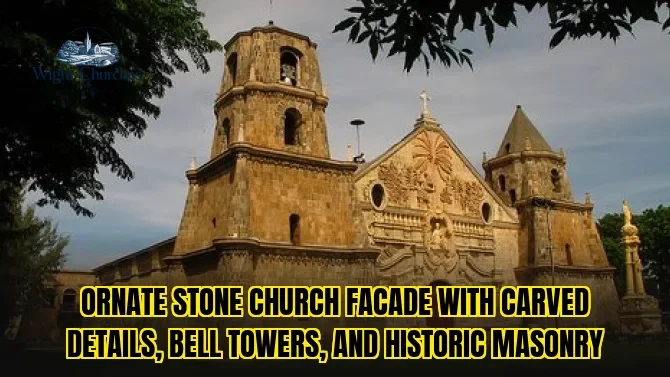
A thorough isle of wight church architecture guide must address the full vocabulary of ecclesiastical building elements that visitors will encounter across the island. Understanding these components individually makes it possible to date buildings accurately, identify later interventions, and appreciate the cumulative skill embedded in each structure. The following table summarises the principal architectural periods and their defining characteristics as found specifically on the Isle of Wight.
| Period | Approximate Dates | Key Features | Isle Of Wight Examples |
|---|---|---|---|
| Saxon / Pre-Conquest | Before 1066 | Simple nave plans, long-and-short quoins, small round-headed windows | St Mildred, Whippingham (foundations) |
| Norman / Romanesque | 1066–1200 | Round arches, chevron ornament, thick walls, tympana | St Mary, Carisbrooke; St Peter, Shorwell |
| Early English Gothic | 1200–1280 | Pointed lancet windows, stiff-leaf capitals, dog-tooth moulding | St Lawrence Old Church, Ventnor |
| Decorated Gothic | 1280–1350 | Flowing tracery, ogee arches, ballflower ornament | St Mary, Arreton (chancel details) |
| Perpendicular Gothic | 1350–1530 | Square-headed windows, fan vaults, tall battlemented towers | St Mary, Brading; All Saints, Godshill |
| Victorian Gothic Revival | 1840–1910 | Polychrome stonework, elaborate stained glass, structural restorations | St Mildred, Whippingham (rebuilt by Prince Albert) |
Beyond stylistic periods, a complete isle of wight church architecture guide must engage with materials. The island’s geology provides a distinctive palette: golden Bembridge limestone, grey-green greensand, and dark ironstone appear in varying combinations depending on a church’s location and date. These local materials give island churches a visual coherence that distinguishes them immediately from their mainland counterparts, even when the architectural vocabulary is otherwise similar.
Interior Elements: Fonts, Screens, And Monuments
Church interiors on the Isle of Wight preserve a remarkable range of furnishings that complement the architectural fabric. Norman tub fonts survive at several parishes, their carved decoration offering rare evidence of pre-Gothic liturgical culture. Medieval rood screens, though heavily damaged during the Reformation, retain partial survivals at Arreton and Shorwell, where painted panels and carved timber tracery reward patient examination. Funerary monuments — from medieval effigies in Purbeck marble to Georgian wall tablets in painted plaster — document the island’s landowning dynasties across six centuries of continuous occupation.
Stained Glass And Decorative Arts Within The Churches
The decorative arts housed within island churches extend the architectural narrative into colour and light. Medieval glass survives in fragmentary but precious quantities at Godshill, where the famous Lily Crucifix window remains one of the most significant pieces of pre-Reformation glazing in southern England. Victorian campaigns introduced ambitious new programmes of stained glass, with work by Clayton and Bell, Kempe, and Morris and Company appearing in churches across the island. Any thorough isle of wight church architecture guide must treat these decorative layers as integral to the architectural experience rather than mere supplementary ornament.
Isle Of Wight Church Architecture Guide: Essential Resources And Practical Tips
Serious architectural tourists benefit from carrying several resources alongside a dedicated isle of wight church architecture guide. A hand lens reveals moulding profiles and tooling marks invisible to the naked eye. A compass helps interpret liturgical orientation, since many medieval churches deviate from true east in ways that reflect local topography or pre-Christian sacred geography. Pevsner’s Buildings of England volume for the Isle of Wight remains an indispensable scholarly companion, while church guides produced by individual parishes often preserve local historical knowledge unavailable in any published survey.
Planning Your Visit Using The Isle Of Wight Church Architecture Guide
Practical preparation transforms a casual church visit into a genuinely educational experience. The isle of wight church architecture guide framework suggests organising itineraries by architectural period rather than by geographical proximity alone, allowing visitors to trace stylistic development coherently across the island. Beginning with Norman foundations at Carisbrooke, progressing through Early English survivals at St Lawrence, and concluding with the Victorian grandeur of Whippingham creates a chronological narrative that deepens appreciation at every stop.
- Carry a notebook to sketch moulding profiles and window tracery patterns encountered during visits
- Check opening times in advance, as many rural churches lock during weekday hours outside summer months
- Respect ongoing worship schedules and avoid visiting during services unless invited by the congregation
- Photograph architectural details systematically, including scale references for later comparison
- Contact the Churches Conservation Trust for access to redundant churches not regularly open to visitors
The island’s compact geography — roughly twenty-three miles east to west — makes it entirely feasible to visit six or eight significant churches within a single day using public transport or cycling routes. Combining architectural study with the island’s broader landscape heritage, including its chalk downland, coastal geology, and historic market towns, creates a richly layered experience that extends well beyond conventional church tourism into genuine cultural geography.
Conclusion
The Isle of Wight offers one of the most concentrated and accessible collections of historic church architecture anywhere in southern England, and engaging with it through a structured isle of wight church architecture guide transforms isolated sightseeing into coherent historical understanding. From the chevron-carved Norman arches of Carisbrooke to the soaring Victorian nave of Whippingham, every building contributes to a continuous narrative of faith, craft, and community identity stretching across a thousand years. Whether you are a dedicated architectural historian or a curious visitor seeking deeper meaning in ancient stonework, the island’s churches repay every hour of careful attention. Explore the full collection and plan your visit with Wight Churches to ensure you experience the island’s sacred heritage at its richest.
Xem thêm: Isle Of Wight Church Walking Tour: A Complete Guide To History, Routes — isle of wight church walking tour