
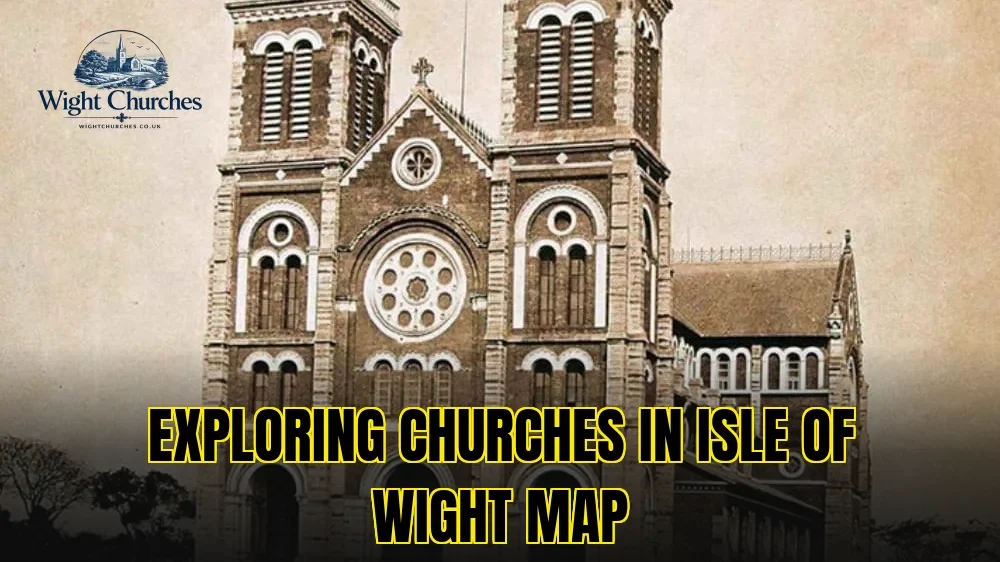
If you’re passionate about history, architecture, and spiritual heritage, exploring churches in isle of wight map is one of the most rewarding journeys you can undertake. The Isle of Wight is home to dozens of ancient parish churches, medieval chapels, and Victorian-era sanctuaries scattered across its picturesque landscape. With the right map and a sense of curiosity, visitors can trace centuries of religious history through winding country lanes and coastal villages. This guide will help you navigate the island’s most significant ecclesiastical sites and understand what makes each one truly special.
Why Exploring Churches In Isle Of Wight Map Is A Must For History Lovers
The Isle of Wight holds a remarkably dense concentration of historic churches relative to its size, making it a paradise for heritage tourism and ecclesiastical exploration. Many of these sacred buildings date back to the Norman Conquest and even earlier Saxon foundations, preserving architectural details that have vanished from mainland England. When you begin exploring churches in isle of wight map, you quickly realize that each location tells a layered story of community, faith, and craftsmanship spanning over a thousand years.
The Historical Significance Of Island Parish Churches
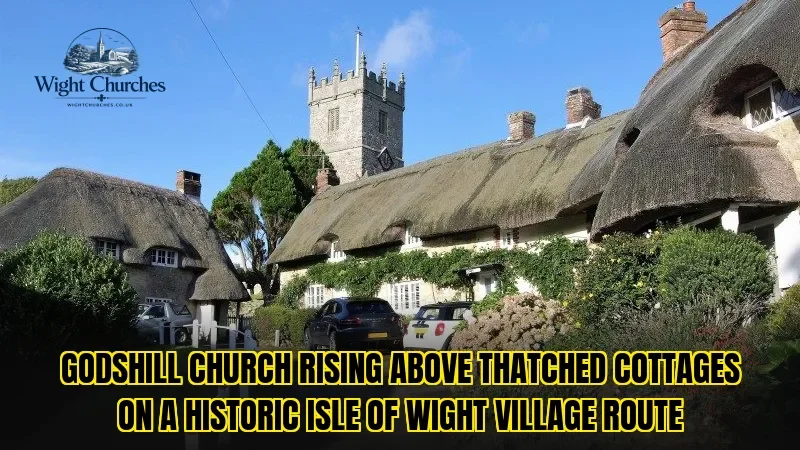
Parish churches on the Isle of Wight served not only as places of worship but also as community centers, record-keeping institutions, and architectural landmarks that defined local identity. Many buildings feature original Norman stonework, Early English lancet windows, and Perpendicular Gothic towers that have survived wars, weather, and centuries of change. Churches such as St. Mary the Virgin in Carisbrooke and All Saints in Godshill represent the pinnacle of medieval craftsmanship on the island. Their survival is a testament to the dedication of local communities who maintained and restored these structures across generations.
Understanding The Architectural Diversity Across The Island
One of the most compelling reasons for exploring churches in isle of wight map is the extraordinary architectural variety you encounter across different parishes. From the humble flint-walled chapels of rural hamlets to the grand Victorian restorations found in Newport and Ryde, the island showcases nearly every major period of English ecclesiastical architecture. Romanesque arches sit beside Georgian box pews, while Pre-Raphaelite stained glass illuminates medieval nave walls. This diversity transforms a simple church tour into a comprehensive lesson in English architectural history, compressed into a compact and navigable island geography.
Seasonal Considerations When Planning Your Church Trail
Timing plays an important role when you’re planning to explore the island’s sacred heritage. Spring and early autumn offer the most comfortable conditions for walking between rural churches, with longer daylight hours and manageable crowds. Summer brings increased visitor numbers, which can actually enhance the experience at larger churches that host guided tours, flower festivals, and heritage open days. Winter visits offer a more contemplative atmosphere, with many churches maintaining their doors open for quiet reflection. Regardless of season, always check individual church opening hours before setting out, as volunteer-managed buildings may have variable access schedules.
A Curated Map Route For Exploring Churches In Isle Of Wight Map
Planning a structured itinerary makes the experience of exploring churches in isle of wight map far more satisfying and efficient. The island can be broadly divided into northern, southern, and central church clusters, each offering a distinct character and set of highlights. A well-designed route minimizes backtracking while maximizing the number of significant sites you can visit within a single day or weekend trip.
Northern Coastal Circuit: Newport To Ryde
The northern corridor of the island offers an excellent starting point for first-time visitors. Beginning in Newport, the island’s capital, you can visit St. Thomas of Canterbury, a largely Victorian rebuilding that nonetheless contains medieval fragments and an impressive interior. Moving eastward toward Ryde, All Saints Church stands as one of the finest Victorian Gothic Revival structures on the island, designed by Sir George Gilbert Scott. This northern circuit also passes through Binstead, where the ancient priory ruins and the parish church of Holy Cross provide a fascinating contrast between ruined and living sacred heritage. The proximity of these sites to ferry terminals makes this route especially accessible.
Exploring Churches In Isle Of Wight Map Through The Rural Heartland
The central and southern parishes represent the most authentically medieval aspect of exploring churches in isle of wight map. Godshill, with its dramatically positioned All Saints Church perched atop a hill, is arguably the most photographed church on the island and a genuine architectural treasure. Nearby Shorwell’s St. Peter’s Church contains a remarkable 15th-century wall painting of St. Christopher that survived the Reformation, offering a rare glimpse into pre-Reformation devotional art. Chale, Niton, and Whitwell each possess compact Norman churches with original features intact, rewarding patient visitors who venture off the main tourist routes into the island’s quieter interior parishes.
Western Wight: Hidden Gems And Coastal Sanctuaries
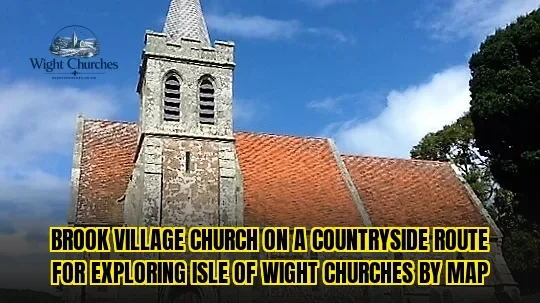
The western portion of the island is perhaps the least visited but arguably the most atmospheric for church exploration. Freshwater’s St. Agnes Church and the nearby Church of All Saints at Freshwater Bay carry deep associations with Alfred Lord Tennyson, who lived in the area and worshipped at these local parishes. Brook and Mottistone offer tiny Norman churches surrounded by ancient yew trees and unspoiled downland landscapes. The remoteness of these western sites creates an immersive experience that connects visitors not just to religious heritage but to the broader natural and literary history of the island. Including these locations in your itinerary ensures a truly comprehensive exploration.
Essential Reference: Key Churches And Their Features
To help visitors plan their journey effectively, the following table summarizes some of the most significant churches featured when exploring churches in isle of wight map, along with their key architectural periods and notable features.

| Church Name | Location | Period | Notable Feature |
|---|---|---|---|
| All Saints Church | Godshill | 14th–15th Century | Lily Crucifix wall painting |
| St. Mary the Virgin | Carisbrooke | Norman, 12th Century | Norman nave and tower |
| All Saints | Ryde | Victorian Gothic Revival | George Gilbert Scott design |
| St. Peter’s Church | Shorwell | Medieval, 15th Century | St. Christopher wall painting |
| St. Agnes | Freshwater | Victorian | Tennyson associations |
| Holy Cross | Binstead | Medieval | Priory ruins adjacent |
| St. Andrew’s | Chale | Norman, 12th Century | Original flint construction |
This reference table provides a practical overview for visitors approaching exploring churches in isle of wight map with limited time but a desire to prioritize the most historically significant sites. Each church listed above offers public access during daylight hours for most of the year, though confirming local schedules before visiting remains advisable. The diversity represented across these seven sites alone illustrates why the island’s ecclesiastical heritage deserves recognition on a national and even international level.
Conclusion
The Isle of Wight’s ecclesiastical landscape is one of England’s best-kept heritage secrets, and exploring churches in isle of wight map is the most rewarding way to unlock its full depth and beauty. From Norman foundations to Victorian masterpieces, from coastal chapels to hilltop parish churches, every building carries centuries of community history within its walls. Whether you spend a single afternoon or an entire weekend tracing the island’s sacred sites, the experience will leave a lasting impression. For comprehensive resources, interactive maps, and expert guidance on planning your church trail, visit Wight Churches and begin your journey into one of England’s most remarkable concentrations of living religious heritage today.
Xem thêm: top historic churches in isle of wight