If you’ve ever wondered how many churches are in isle of wight, you’re not alone. This small yet historically rich island off the southern coast of England is home to a remarkable concentration of religious buildings that span over a thousand years of Christian heritage. From ancient Norman structures to Victorian-era chapels, the Isle of Wight offers an extraordinary tapestry of ecclesiastical architecture. Whether you’re a history enthusiast, a heritage traveler, or simply curious about the island’s spiritual landscape, this guide provides a thorough and accurate answer to that very question.
How Many Churches Are In Isle Of Wight: The Official Count And Overview
Understanding the full scope of religious buildings on the island requires looking beyond simple numbers. The Isle of Wight is a compact island covering approximately 380 square kilometers, yet it hosts an impressive density of places of worship that reflects its long and layered history of Christian settlement.
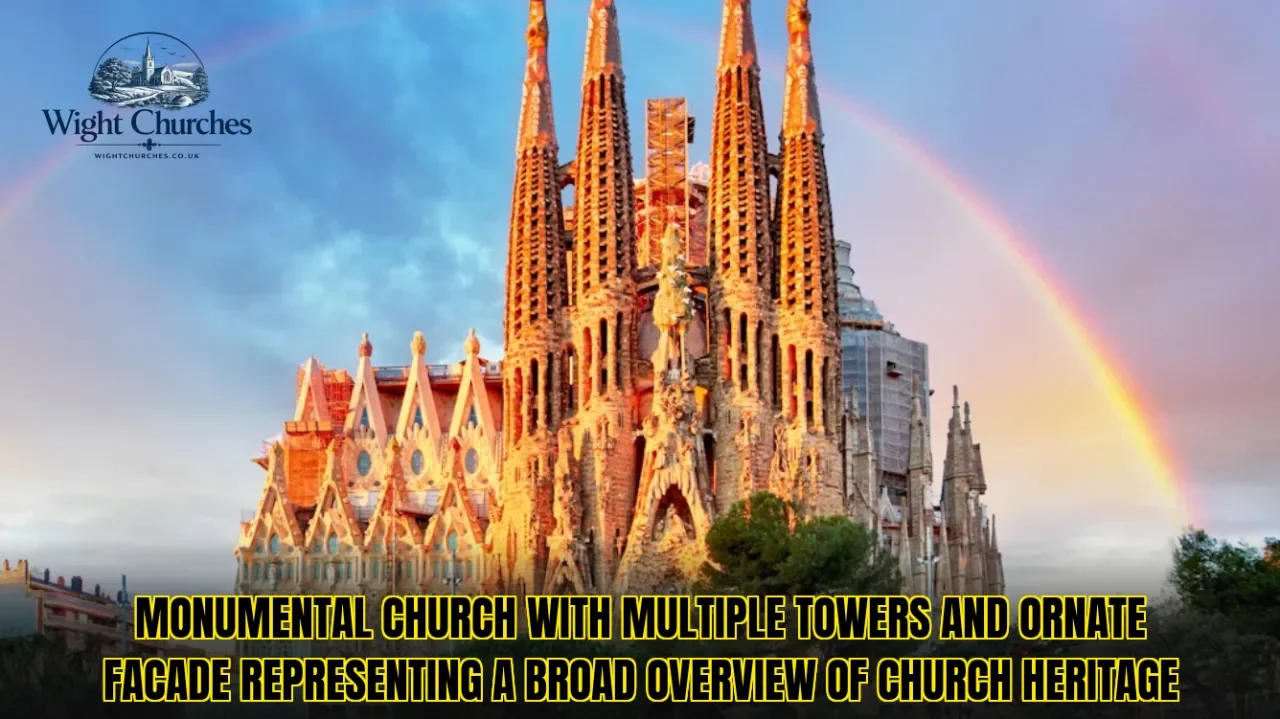
The Total Number Of Churches On The Island
According to available heritage records and ecclesiastical surveys, there are approximately 70 to 80 historic churches on the Isle of Wight, with many still in active use today. When counting all denominations — including Anglican, Roman Catholic, Methodist, Baptist, and other nonconformist congregations — the total number of places of worship rises to well over 100 across the island. How many churches are in isle of wight depends significantly on whether you count only Church of England parishes or include all registered religious buildings. The Church of England alone maintains around 46 parish churches spread across the island’s towns and rural villages.
Distribution Across Towns And Rural Areas
The churches are not evenly distributed. Urban centers such as Newport, Ryde, Cowes, and Ventnor contain clusters of churches serving larger populations, while rural parishes like Brighstone, Godshill, and Arreton are home to some of the most ancient and architecturally significant medieval churches on the island. Many of these rural churches date back to the 11th and 12th centuries, predating the Norman Conquest or built shortly after it. This geographic spread makes exploring how many churches are in isle of wight a genuinely rewarding journey through the island’s diverse landscapes and communities.
Listed And Heritage-Protected Churches
A significant proportion of the island’s churches carry listed building status. Over 40 churches on the Isle of Wight are Grade I or Grade II* listed, placing them among England’s most important historic structures. These designations reflect not only architectural merit but also their cultural and historical significance to the local community. Organizations such as Historic England and the Churches Conservation Trust play an active role in preserving these buildings for future generations, ensuring that the answer to how many churches are in isle of wight remains a living, maintained legacy rather than a fading memory.
Notable Churches That Define The Island’s Ecclesiastical Identity
Beyond the raw numbers, the true richness of the Isle of Wight’s church heritage lies in the individual stories and architectural features of its most celebrated religious buildings. Each church tells a unique story about the communities that built and sustained it over the centuries.
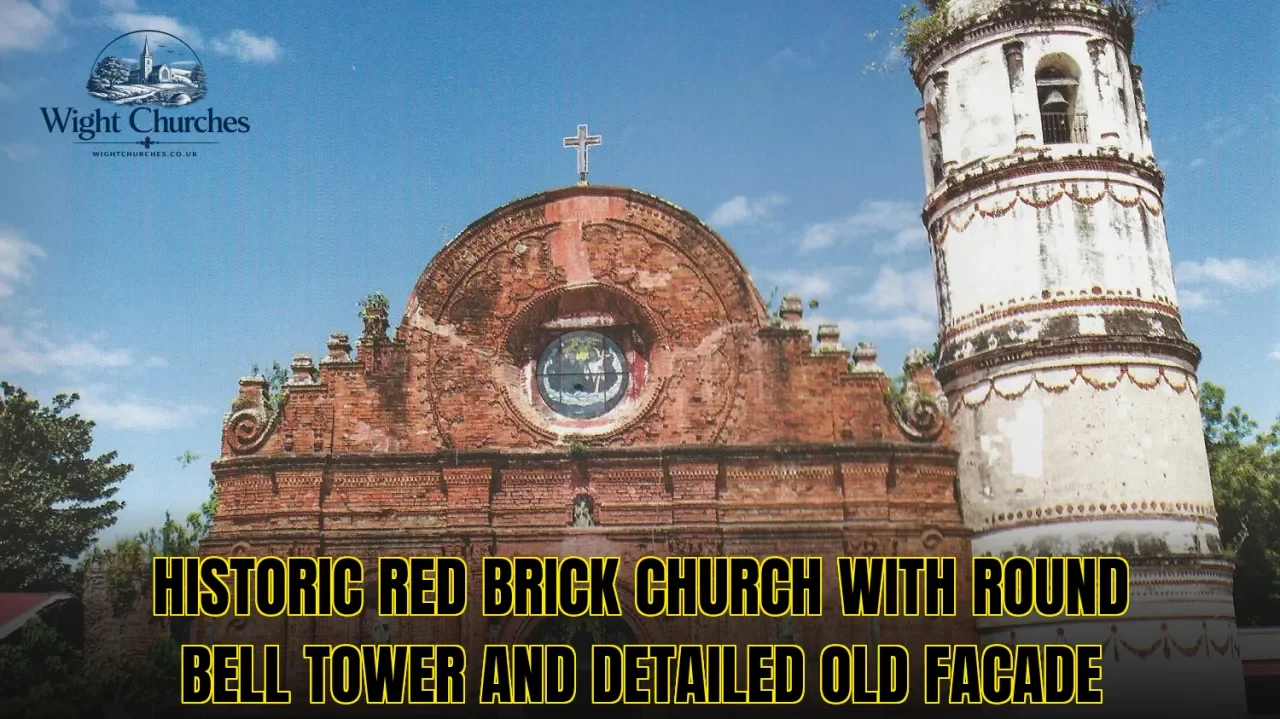
All Saints’ Church, Godshill
Perched dramatically on a hilltop in the village of Godshill, All Saints’ Church is arguably the most photographed church on the island. Dating primarily from the 14th and 15th centuries, it features a distinctive double nave and contains a rare 15th-century painting of Christ on the lily cross. The church is a Grade I listed building and remains an active place of worship. Its striking silhouette against the Isle of Wight skyline makes it a defining symbol of the island’s religious heritage, drawing thousands of visitors annually who come to appreciate both its spiritual and architectural significance.
St. Mary The Virgin, Carisbrooke
Located near the famous Carisbrooke Castle, St. Mary the Virgin is one of the oldest and most historically significant churches on the island. Elements of its structure date back to the 12th century, and it served as the priory church of a Benedictine monastery. The church contains notable medieval stonework, an impressive tower, and memorials connected to the island’s royal history, including connections to Princess Elizabeth, daughter of King Charles I, who died at Carisbrooke Castle in 1650. Visiting this church offers a profound sense of continuity across centuries of island life.
St. Thomas Of Canterbury, Newport
As the island’s primary town, Newport is home to St. Thomas of Canterbury, the parish church that serves as a central point of Anglican worship in the Isle of Wight. The current building dates largely from the 19th century, though a church has stood on this site for much longer. It contains a memorial chapel dedicated to Princess Elizabeth and features fine Victorian stained glass windows. The church plays an important civic role in the life of Newport, hosting major community events, memorial services, and seasonal celebrations throughout the year.
A Breakdown Of Church Denominations Across The Isle Of Wight
When answering how many churches are in isle of wight, it is essential to consider the full denominational diversity of the island’s religious landscape. The Isle of Wight reflects broader trends in English religious history, with a strong Anglican foundation supplemented by a rich tradition of nonconformist worship.
Anglican Parish Churches And Their Reach
The Church of England forms the backbone of the island’s ecclesiastical structure. The Isle of Wight falls within the Diocese of Portsmouth, and its approximately 46 Anglican parish churches are organized into several deaneries. These range from large town churches with active weekly congregations to small rural chapels that hold services only periodically. Many of these Anglican churches are the oldest buildings in their respective villages, serving as both active places of worship and as guardians of local history, containing medieval fonts, ancient brasses, and centuries-old burial records.
Nonconformist And Catholic Places Of Worship
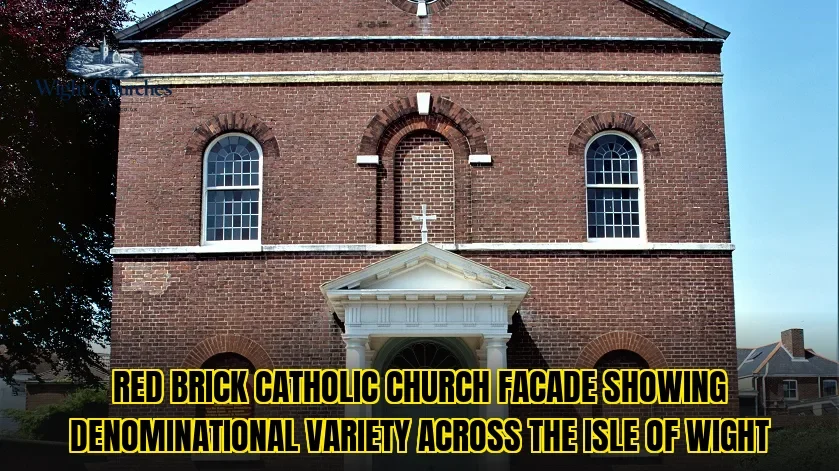
Beyond the Church of England, the Isle of Wight has a well-established tradition of nonconformist Christianity. Methodist chapels, in particular, became widespread during the 18th and 19th centuries, and many of these buildings still stand across the island’s towns and villages. Roman Catholic churches also serve significant communities, particularly in Newport and Ryde. Baptist, United Reformed, and independent evangelical congregations add further diversity to the island’s religious life. Together, these communities account for several dozen additional places of worship when tallying how many churches are in isle of wight in the broadest sense.
How Many Churches Are In Isle Of Wight By Denomination: A Summary Table
The following table provides an approximate breakdown of the major denominational categories represented across the island’s places of worship, based on available ecclesiastical and heritage records.
| Denomination | Approximate Number Of Buildings | Notable Examples |
|---|---|---|
| Church of England (Anglican) | ~46 | All Saints’ Godshill, St. Mary Carisbrooke |
| Roman Catholic | ~8–10 | St. Thomas of Canterbury, Newport |
| Methodist | ~15–20 | Various chapels across Ryde, Cowes, Ventnor |
| Baptist | ~5–8 | Newport Baptist Church |
| Other / Independent | ~10–15 | Various evangelical and independent chapels |
Conclusion
The Isle of Wight is far more than a seaside destination — it is a living museum of English ecclesiastical history. When considering how many churches are in isle of wight, the answer spans from approximately 46 Anglican parish churches to well over 100 places of worship when all denominations are included. Each building carries its own story, architectural character, and community significance. Whether you are planning a heritage trail, conducting genealogical research, or simply seeking to understand the island’s deep spiritual roots, exploring these churches is a genuinely enriching experience. Visit Wight Churches to discover detailed guides, historical records, and visitor information for every church on the island.
Xem thêm: isle of wight church architecture guide — Isle Of Wight Church Architecture Guide: Exploring Sacred Stones