The oldest church on Isle of Wight represents centuries of religious tradition, architectural development and community history. Visitors interested in historic landmarks can discover how early places of worship shaped local identity and preserved cultural memories. Wight Churches provides an overview of important features, historical context and the lasting significance of this remarkable heritage location.
Tracing The Origins Of An Ancient Island Landmark
The history of the oldest church on Isle of Wight reflects early settlement, religious development and centuries of community change. Ancient buildings reveal important clues about island life, architecture and spiritual traditions.
Early Foundations And Historical Development Through Time
Early religious buildings developed alongside growing communities and changing social structures. The origins of the oldest church on Isle of Wight are connected with periods when places of worship became central gathering points. Historical experts often examine construction methods, written records and archaeological evidence to understand how these buildings evolved. Changes such as extensions and repairs show how communities adapted historic spaces while maintaining their original significance.
Key historical indicators include:
- Early stone construction techniques
- Records of religious activity
- Later restoration and structural changes
Architectural Elements That Reveal Past Generations
Architecture provides valuable evidence about the people who built and maintained ancient churches. Features such as stone walls, arches, windows and interior details can reveal influences from different historical periods. Comparing architectural elements allows heritage specialists to identify building phases and understand craftsmanship from previous generations. These details transform a simple visit into an exploration of engineering, artistry and cultural history.
Cultural Importance Within Island Communities
Historic churches have always represented more than religious spaces. They often served as meeting places, locations for important ceremonies and symbols of community identity. The oldest church on Isle of Wight demonstrates how sacred buildings can preserve memories across generations. Local traditions, family connections and historical events are often closely linked with these landmarks, creating a lasting relationship between buildings and communities.
| Heritage Feature | Historical Importance |
| Ancient structure | Shows early craftsmanship |
| Community use | Preserves local traditions |
| Historic records | Provides evidence of past events |
Wight Churches Guide To Heritage Understanding
Understanding historic religious buildings requires attention to design, cultural meaning and preservation. Wight Churches provides valuable context for appreciating how ancient sites reflect the island’s heritage and development.
Examining Design Features And Religious Influences
Church design reflects both practical requirements and changing religious influences throughout history. Visitors studying ancient buildings can observe differences in layouts, decorative styles and construction methods. The oldest church on Isle of Wight provides an example of how architecture can preserve evidence from earlier periods. Experts often analyse materials and design choices to understand how worship spaces developed over time.
Important design aspects include:
- Building materials and craftsmanship
- Layout changes through different eras
- Decorative and symbolic elements
Discovering Stories Preserved Through The Building
Historic churches act as physical records of human experiences. Inscriptions, memorials and architectural details often reveal information about families, communities and significant events. A careful visit can uncover stories that are not immediately visible from the exterior. These discoveries help visitors understand how generations contributed to maintaining and valuing important heritage locations.
Recognising The Value Of Longstanding Sacred Sites
Ancient churches represent important links between the past and present. Their value comes from a combination of architecture, historical evidence and continued cultural relevance. Wight Churches highlights how preservation allows future generations to experience these meaningful places. Protecting such sites requires careful conservation while respecting their original purpose and community connections.
>>> Read More: Historic Churches Isle Of Wight: Wight Churches Guide
Exploring The Legacy Of Historic Island Worship
The legacy of ancient worship spaces extends beyond their original purpose. Exploring these landmarks provides insight into history, architecture and the traditions that shaped island communities over time.
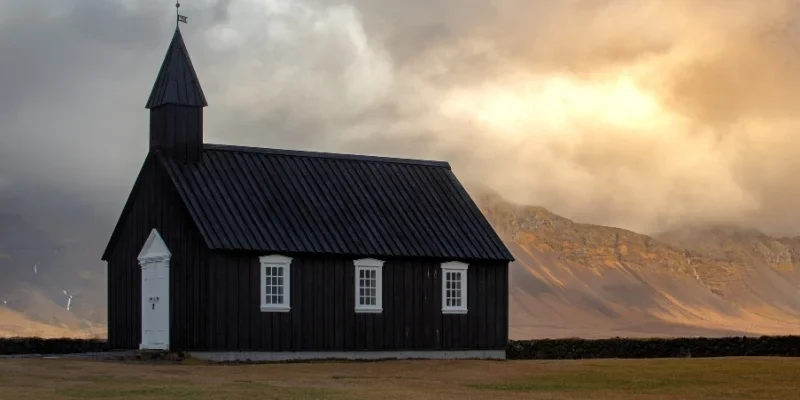
Connecting Local History With Architectural Heritage
Historic buildings provide a direct connection between local stories and physical surroundings. Research into ancient churches often combines architectural study with community records to build a clearer picture of the past. The oldest church on Isle of Wight represents how religious buildings can become important historical references, linking generations through shared heritage and preserved environments.
Planning A Meaningful Visit Around The Landmark
A thoughtful visit involves understanding the background of a location before arriving. Visitors can enhance their experience by researching historical information, respecting active worship spaces and observing architectural details carefully. Practical planning also includes considering nearby routes, accessibility and the surrounding landscape. This approach creates a deeper appreciation of both the building and its historical setting.
Appreciating Preservation Efforts Across Generations
Maintaining ancient churches requires dedication from communities, conservation specialists and heritage supporters. Preservation work protects structural features, historic materials and cultural value for future visitors. The continued care given to these buildings demonstrates how communities recognise their importance. Conservation ensures that stories, craftsmanship and traditions connected with these landmarks remain available for future generations.
| Preservation Area | Purpose |
| Structural maintenance | Protects historic buildings |
| Documentation | Records important details |
| Community involvement | Supports long-term care |
Conclusion
Learning about the oldest church on Isle of Wight offers valuable insight into architecture, faith and the traditions that shaped island communities. Wight Churches helps visitors understand the historical importance behind this remarkable place while encouraging deeper exploration. Discover its unique story, appreciate its heritage and enjoy a memorable journey through the island’s past.