
The island’s religious heritage reveals centuries of craftsmanship, faith and community traditions through remarkable buildings and historic locations. Visitors exploring historic churches Isle of Wight can discover architectural details, cultural stories and preserved landmarks. Wight Churches offers helpful insights into these meaningful places, making it easier to understand their background, importance and lasting influence.
Discovering The Island’s Sacred Heritage Through Time
The story behind historic churches Isle of Wight reflects centuries of devotion, craftsmanship and community development. These sacred spaces reveal how architecture and local traditions evolved through changing periods of history.
Architectural Characteristics Of Historic Religious Buildings
Architectural details provide important clues about the age and purpose of religious buildings. Many churches feature stone construction, traditional window designs, towers and decorative elements that reflect different periods. Experts often study these features to understand building methods and regional influences. Visitors exploring historic sites can identify how restoration work has preserved original character while allowing continued community use.
Common architectural elements include:
- Medieval stonework and structural designs
- Decorative carvings and memorial features
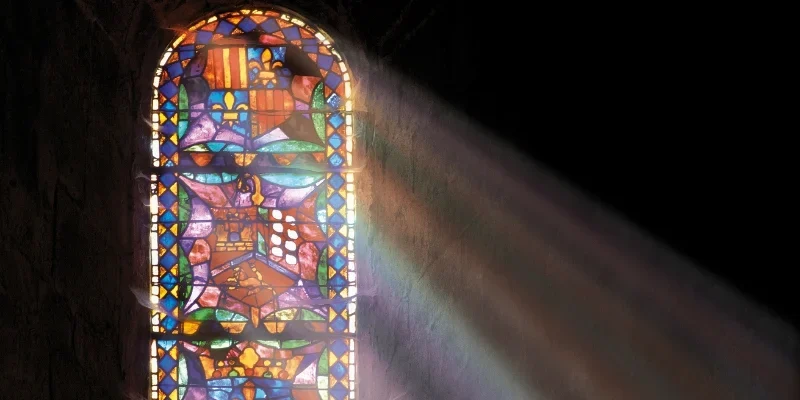
- Traditional stained glass and interior details
Stories And Traditions Connected To Island Communities
Churches are valuable records of social history because they preserve connections between generations. Local traditions, family milestones and community gatherings are often linked to these buildings. Research into historic churches Isle of Wight highlights how religious spaces served wider community roles beyond worship. Practical visits become more meaningful when visitors explore inscriptions, memorials and historical displays that reveal personal stories.
Historical Changes That Shaped Church Development
Religious buildings have changed as communities, architectural preferences and social needs developed over time. Some churches experienced rebuilding, extensions or restoration projects that reflect different historical influences. Comparing structures from different eras provides insight into how island settlements adapted while maintaining links to their heritage. These changes demonstrate the continuing importance of preservation and responsible conservation.
| Historical Element | Importance |
| Building alterations | Shows changing community needs |
| Restoration work | Protects original character |
| Local records | Reveals historical connections |
Wight Churches Perspective On Heritage Preservation
Preserving religious landmarks requires understanding their architecture, history and cultural value. Wight Churches provides insight into how these important buildings continue to represent island heritage and identity.

Understanding Different Periods Of Church Architecture
Church architecture developed through many historical periods, with each era introducing distinctive styles and construction techniques. Visitors examining historic churches Isle of Wight can discover influences from medieval simplicity, later decorative approaches and modern conservation practices. Heritage specialists often compare materials, layouts and artistic features to understand how buildings changed while retaining their original purpose.
Key Features To Observe During Heritage Visits
A successful heritage visit involves looking beyond the overall appearance of a building. Important details may include stonework, carved features, memorials, furnishings and decorative glass. These elements provide evidence of craftsmanship and local history. Visitors who take time to observe smaller details often gain a stronger appreciation of the skill and dedication involved in maintaining historic places.
Useful features to examine include:
- Architectural materials and construction methods
- Historical inscriptions and memorial displays
- Interior artwork and decorative elements
Protecting Valuable Landmarks For Future Generations
Conservation plays an essential role in ensuring historic buildings remain accessible for future visitors. Preservation methods often involve careful repairs, structural monitoring and protection of original materials. Wight Churches recognises the importance of balancing heritage protection with practical community use. Responsible management allows these landmarks to continue sharing their stories while maintaining their historic integrity.
>>> Read More: Churches On The Isle Of Wight: Wight Churches Heritage
Creating A Deeper Cultural Exploration Experience
Exploring heritage locations becomes more rewarding when visitors understand their historical setting and cultural connections. Historic churches Isle of Wight provide opportunities to discover architecture, traditions and community stories through thoughtful visits.
Planning Routes Around Significant Historic Locations
Planning a heritage route allows visitors to experience churches within their wider landscapes. Many travellers combine architectural interests with exploration of villages, countryside areas and local history. A practical approach involves researching locations beforehand, considering travel distances and allowing enough time to appreciate each site. This creates a more meaningful journey through the island’s historic environment.
Exploring Connections Between Faith And Local History
Religious buildings often reflect the relationship between belief, community life and regional development. Studying historic churches Isle of Wight helps reveal how worship spaces influenced settlements and preserved collective memories. Local history experts frequently examine church records, architecture and surrounding landscapes together to understand how communities developed across generations.
Appreciating The Enduring Value Of Island Churches
Historic churches remain important because they connect modern visitors with earlier generations. Their value extends beyond architecture, representing shared memories, cultural identity and traditional craftsmanship. Appreciating these landmarks encourages responsible tourism and greater awareness of heritage protection. Each building offers a reminder of how communities preserved meaningful spaces through changing times.
| Visitor Interest | Heritage Experience |
| Architecture | Understanding design evolution |
| History | Discovering community stories |
| Culture | Connecting with local traditions |
Conclusion
Exploring historic churches Isle of Wight provides visitors with a deeper appreciation of architecture, heritage and community stories preserved across generations. Wight Churches helps uncover the unique qualities behind these important landmarks while encouraging thoughtful exploration. Discover the island’s religious history, plan meaningful visits and enjoy a richer connection with its cultural landscape.