
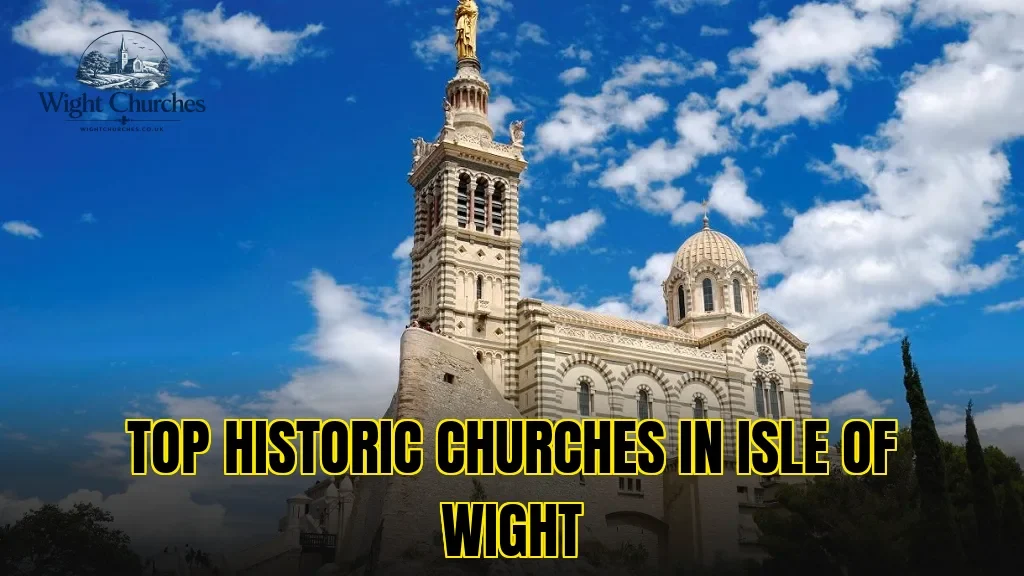
The top historic churches in Isle of Wight represent some of England’s most compelling ecclesiastical treasures, drawing visitors from across the country and beyond. Nestled within rolling countryside, coastal villages, and ancient market towns, these sacred buildings carry centuries of spiritual devotion, Norman craftsmanship, and Victorian restoration. Whether you are a history enthusiast, an architecture lover, or a pilgrim seeking quiet contemplation, the island’s churches offer an extraordinary window into the past. This guide explores the most significant and historically rich churches the Isle of Wight has to offer.
Why The Top Historic Churches In Isle Of Wight Are Worth Exploring
The Isle of Wight may be small in size, but its ecclesiastical heritage is remarkably dense and diverse. With over sixty ancient parish churches scattered across the island, many dating back to the Norman Conquest and even earlier Saxon foundations, this destination offers a unique concentration of religious history within a compact and easily navigable landscape. Exploring these sites is not merely an exercise in tourism — it is a genuine engagement with England’s spiritual and cultural roots.
The Norman Legacy Across Island Parishes
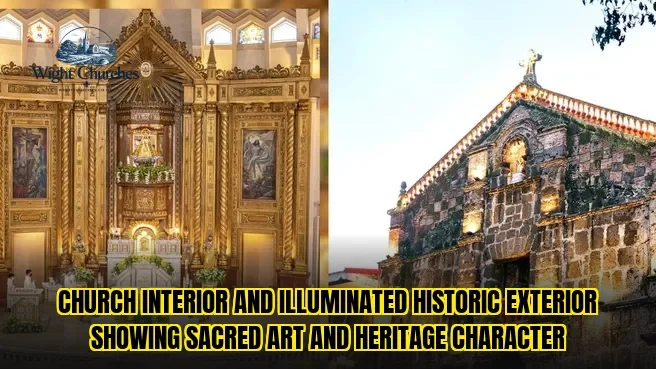
Norman influence on the top historic churches in Isle of Wight is unmistakable. Following the Conquest of 1066, the island’s ecclesiastical landscape was dramatically reshaped. Stone churches replaced earlier timber structures, and the characteristic rounded arches, thick walls, and decorative chevron carvings of Romanesque design became dominant features. St Mary the Virgin in Carisbrooke is among the finest examples, with elements of its structure tracing directly to the twelfth century. The solidity and quiet grandeur of these Norman foundations give many island churches a particularly powerful sense of permanence.
Medieval Wall Paintings And Interior Treasures
One of the most compelling reasons to seek out the top historic churches in Isle of Wight is the survival of medieval interior decoration. Several churches retain fragments of wall paintings that were whitewashed during the Reformation and only rediscovered in later centuries. St Lawrence Old Church, one of the smallest ancient churches in England, contains traces of early decorative schemes that speak directly to medieval devotional practice. These intimate artistic survivals connect modern visitors with the faith and creativity of communities that lived and worshipped on this island hundreds of years ago.
Victorian Restoration And Its Lasting Impact
The Victorian era brought significant change to many of the top historic churches in Isle of Wight. Architects such as Sir George Gilbert Scott and local practitioners undertook extensive restoration campaigns that, while sometimes controversial, also saved structures from collapse and introduced new artistic elements. Stained glass windows from this period, often produced by leading studios, now form an important layer of the island’s ecclesiastical visual heritage. Understanding the Victorian contribution alongside the medieval fabric gives a fuller picture of these living, evolving buildings.
A Closer Look At The Most Celebrated Top Historic Churches In Isle Of Wight
Among the dozens of historic churches on the island, a handful stand out for their architectural distinction, historical associations, and visitor accessibility. These sites represent the breadth of what the island’s ecclesiastical heritage has to offer, from grand priory ruins to intimate village sanctuaries.
St Mildred’s Church, Whippingham
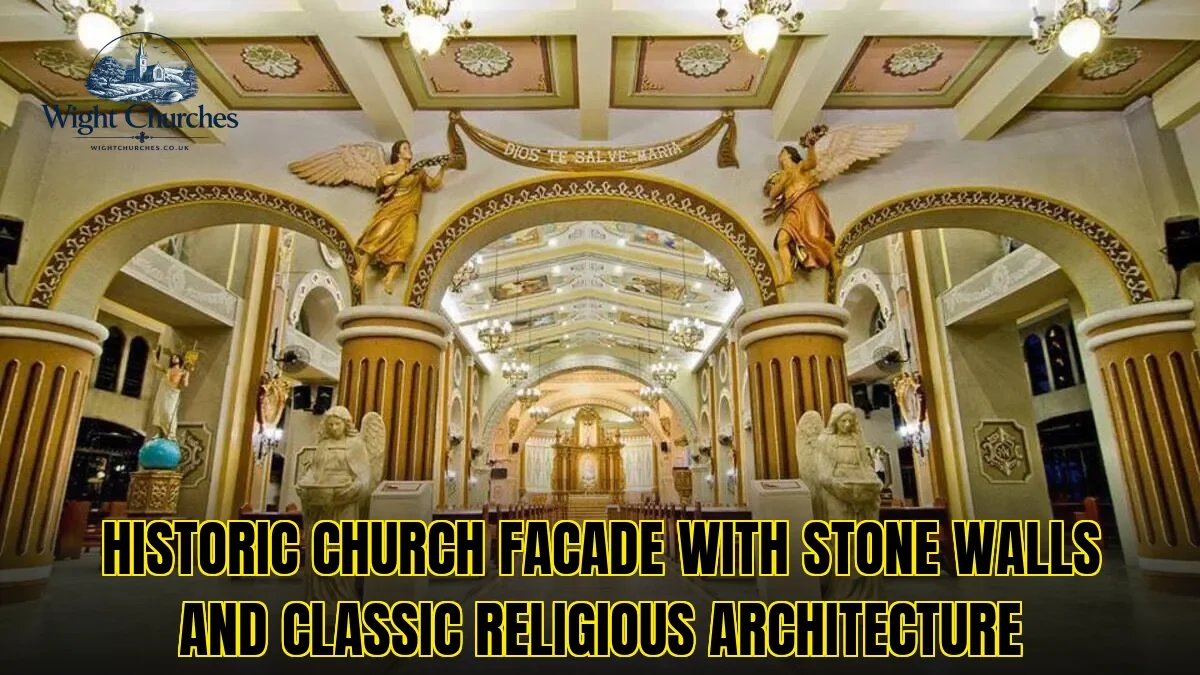
St Mildred’s Church in Whippingham holds a uniquely royal dimension among the top historic churches in Isle of Wight. Rebuilt in the 1850s under the personal direction of Prince Albert, consort to Queen Victoria, the church served as the private place of worship for the royal family during their residence at nearby Osborne House. The interior is rich with royal memorials, including monuments to members of the extended Victorian royal family, and the building’s eclectic Gothic Revival architecture reflects Albert’s own aesthetic sensibilities. It remains one of the most visited ecclesiastical sites on the island.
Quarr Abbey
Quarr Abbey, situated near Ryde on the island’s northern coast, represents two distinct chapters in monastic history. The original medieval abbey, founded in 1132 by Baldwin de Redvers, was dissolved under Henry VIII, leaving only atmospheric ruins in a woodland setting. The current abbey, built between 1907 and 1914 by the Belgian Benedictine monk Dom Paul Bellot, is a striking example of Arts and Crafts influenced ecclesiastical architecture using warm Flemish brick. Together, the ruins and the active abbey make Quarr one of the most layered and thought-provoking of the top historic churches in Isle of Wight.
St Thomas of Canterbury, Newport
The parish church of St Thomas of Canterbury in Newport serves as the island’s de facto cathedral and occupies a commanding position in the town centre. The current building is largely a Victorian reconstruction, but it stands on foundations with deep medieval roots and contains a monument to Princess Elizabeth, daughter of King Charles I, who died in captivity at Carisbrooke Castle. This royal connection, combined with the church’s role as the principal place of worship for the island’s largest town, makes it an essential stop for anyone exploring the top historic churches in Isle of Wight.
Planning Your Visit To The Top Historic Churches In Isle Of Wight
Organising a church-focused itinerary on the Isle of Wight requires some forward planning, but the rewards are considerable. The island’s compact geography means that several significant sites can be visited within a single day, particularly if travelling by car. Many churches are kept open during daylight hours, though it is advisable to check ahead for specific access arrangements, especially for smaller rural parishes.
Seasonal Considerations And Opening Times
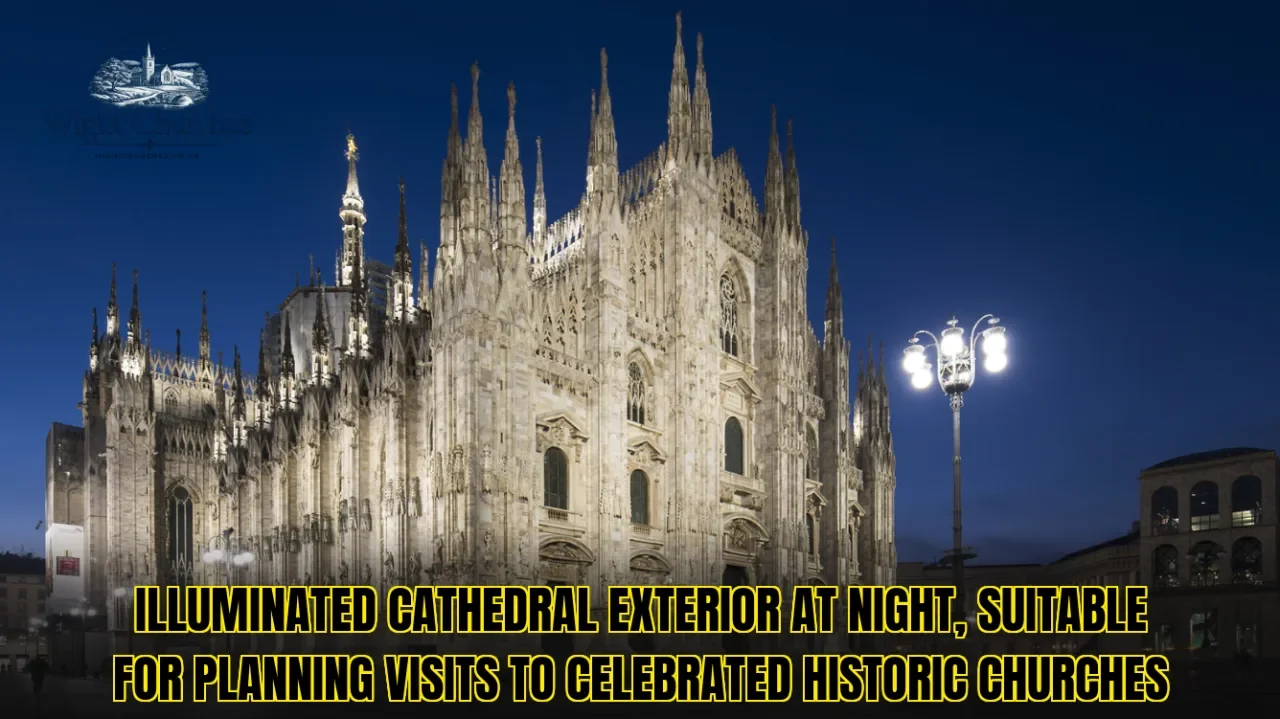
The top historic churches in Isle of Wight are accessible throughout the year, though summer months offer the most reliable access and the best conditions for exploring surrounding churchyards and landscapes. Some smaller churches may only be open on specific days or by prior arrangement with keyholders. Heritage open days, typically held in September, provide an excellent opportunity to access buildings that are not usually open to the public and to benefit from guided tours led by knowledgeable local volunteers.
Combining Church Visits With Wider Island Exploration
Many of the top historic churches in Isle of Wight are located within or adjacent to other points of historical and natural interest. Carisbrooke Castle, Osborne House, and the island’s network of designated footpaths all sit in close proximity to significant ecclesiastical sites. Combining church visits with walks through the island’s diverse landscapes — from chalk downland to wooded valleys and coastal paths — creates a richly rewarding experience that goes well beyond conventional sightseeing.
Accessibility And Visitor Facilities
Accessibility varies considerably across the top historic churches in Isle of Wight. Larger town churches generally offer good facilities including parking, toilet access, and printed guides. Smaller rural churches may present challenges for visitors with mobility limitations, particularly where churchyards involve uneven ground. Contacting individual parishes in advance is always recommended for those with specific access requirements. Many churches also welcome donations towards their ongoing maintenance, which helps preserve these irreplaceable buildings for future generations.
| Church Name | Location | Key Period | Notable Feature |
|---|---|---|---|
| St Mildred’s, Whippingham | Whippingham | Victorian (1850s) | Royal family memorials |
| Quarr Abbey | Near Ryde | Medieval & Early 20th Century | Monastic ruins + active abbey |
| St Thomas of Canterbury | Newport | Medieval origins, Victorian rebuild | Princess Elizabeth monument |
| St Mary the Virgin | Carisbrooke | Norman (12th century) | Romanesque arches, medieval font |
| St Lawrence Old Church | St Lawrence | Medieval | One of England’s smallest churches |
| All Saints, Freshwater | Freshwater | Medieval, Victorian restoration | Alfred Lord Tennyson associations |
Conclusion
The top historic churches in Isle of Wight form an extraordinary collection of sacred architecture, royal history, and medieval artistry that deserves far greater recognition than it typically receives. From the royal splendour of Whippingham to the monastic serenity of Quarr and the intimate antiquity of St Lawrence, each site contributes a unique thread to the island’s rich historical tapestry. For travellers seeking depth and authenticity in their explorations, these churches offer experiences that are genuinely moving and intellectually rewarding. To discover more about visiting and supporting these remarkable buildings, explore the resources available at Wight Churches and begin planning your own journey through the island’s sacred heritage today.
Xem thêm: Isle Of Wight Church Walking Tour: A Complete Guide To History, Routes