
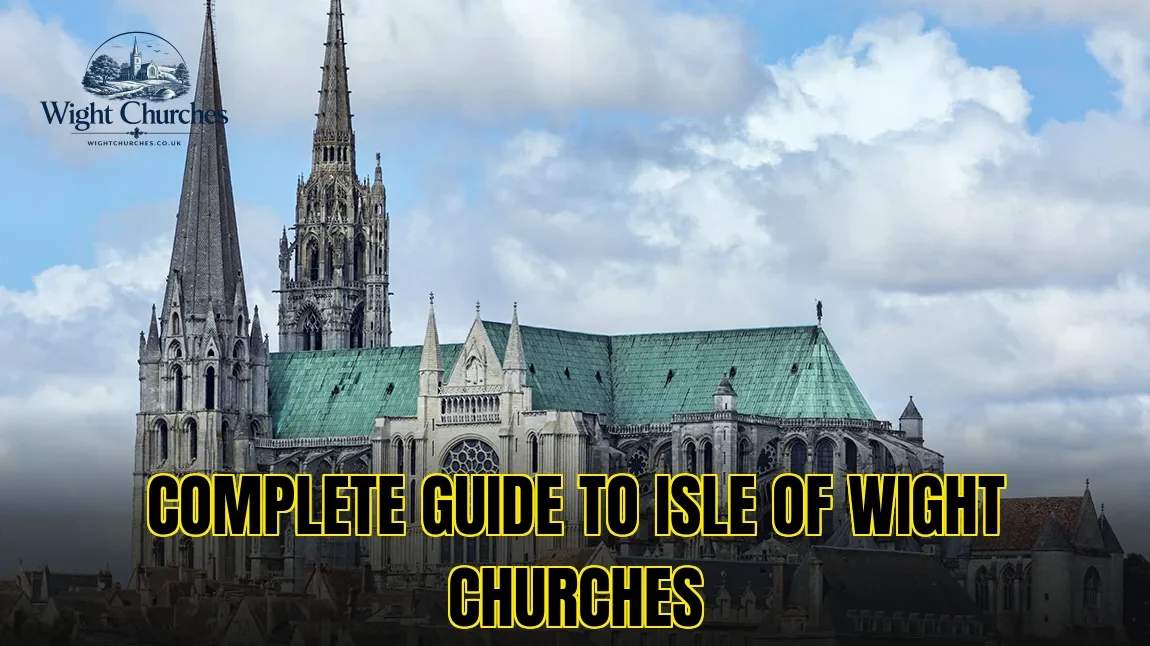
If you’re planning a visit to this enchanting island, the complete guide to isle of wight churches is exactly what you need to explore one of England’s most spiritually and architecturally rich destinations. The Isle of Wight is home to dozens of ancient churches, medieval chapels, and Victorian sanctuaries that tell the story of faith, community, and craftsmanship across more than a thousand years. Whether you’re a history enthusiast, an architecture lover, or simply someone seeking peaceful, meaningful places, this guide will help you discover the very best the island has to offer.
Why The Isle Of Wight Is A Hidden Gem For Church Enthusiasts
The Isle of Wight may be small in size, but it punches far above its weight when it comes to religious heritage. Separated from the mainland by the Solent, this island has developed a unique ecclesiastical identity shaped by Norman conquests, Victorian restoration movements, and centuries of local devotion. Many of the churches here have survived intact in ways that mainland counterparts have not, offering visitors an almost time-capsule experience of English religious architecture.
A Landscape Shaped By Centuries Of Faith
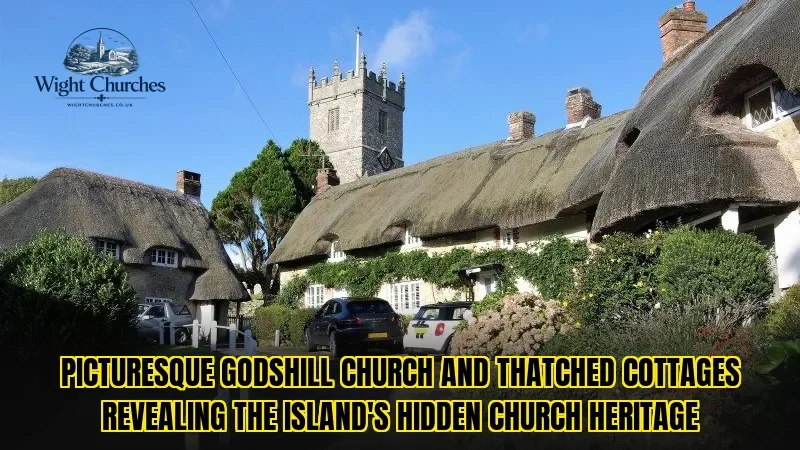
Walking through the island’s countryside, you’ll notice how churches anchor every village and hamlet. From the chalk downlands to the wooded valleys, these sacred buildings have served as community focal points for generations. The complete guide to isle of wight churches reveals how deeply faith is woven into the island’s geographical and cultural identity. Many parish churches sit on sites that were considered sacred long before Christianity arrived, adding layers of spiritual significance that go far beyond stone and mortar.
Norman Roots And Medieval Masterpieces
A significant number of the island’s churches date back to the Norman period, with some foundations reaching even further into the Saxon era. These early structures were built to endure, using locally quarried stone and craftsmanship that has withstood the test of time. The complete guide to isle of wight churches highlights how Norman arches, round towers, and carved tympana still grace many of these buildings, offering a direct visual connection to the 11th and 12th centuries. Exploring these medieval masterpieces is like reading a stone-bound history book.
Victorian Restorations That Transformed The Island
The Victorian era brought significant changes to many of the island’s churches. Architects like Sir George Gilbert Scott were commissioned to restore and sometimes dramatically alter medieval structures, adding stained glass windows, new furnishings, and extended naves. While some purists lament these interventions, many of the Victorian additions have become beloved features in their own right. The complete guide to isle of wight churches acknowledges both the medieval originals and their Victorian enhancements as equally important parts of the island’s ecclesiastical story.
Complete Guide To Isle Of Wight Churches: The Most Significant Sites To Visit
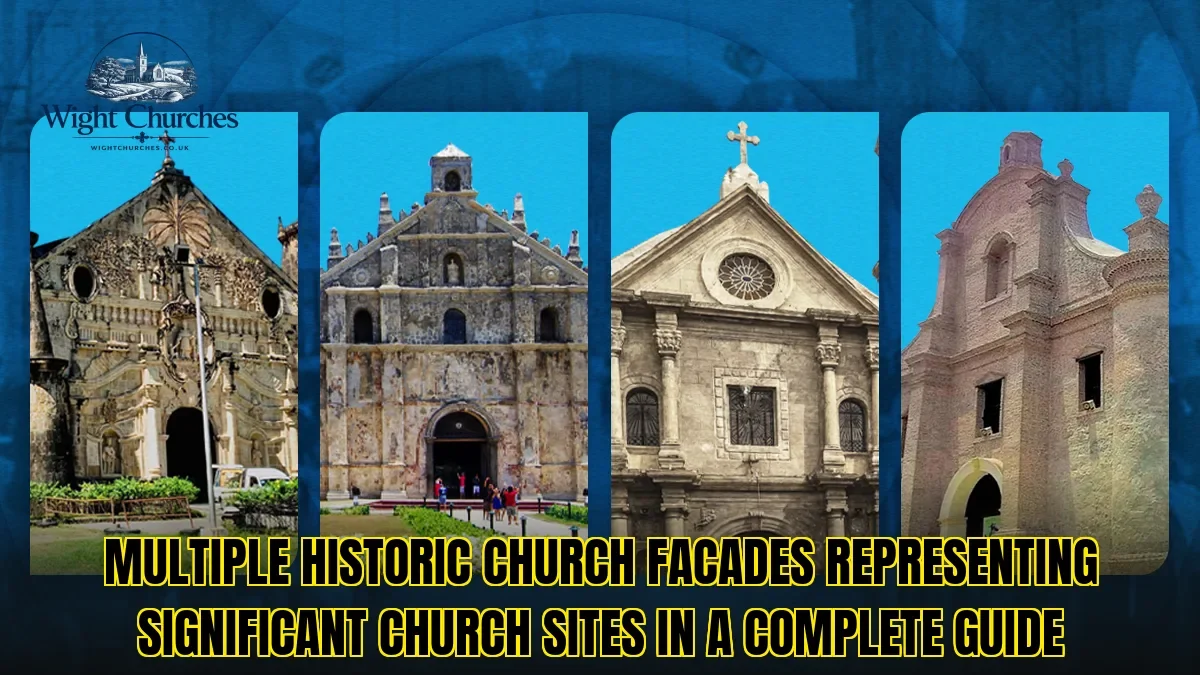
With over 60 churches spread across the island, knowing where to start can feel overwhelming. This section of the complete guide to isle of wight churches breaks down the most historically significant and architecturally impressive sites, helping you plan a meaningful itinerary whether you have a single afternoon or an entire week to explore.
St. Mary The Virgin, Carisbrooke: The Island’s Cathedral Village Church
Standing in the shadow of Carisbrooke Castle, St. Mary the Virgin is arguably the most historically important parish church on the island. Its origins date to the 12th century, and its impressive tower dominates the surrounding village. The church contains fascinating medieval stonework, a remarkable font, and memorials that trace the island’s aristocratic and military history. Visiting this site is an essential part of any complete guide to isle of wight churches experience, offering a compelling blend of Norman architecture and later additions that span nearly 900 years of continuous worship.
St. Lawrence Old Church: England’s Smallest Parish Church
Tucked into the undercliff near Ventnor, St. Lawrence Old Church holds the remarkable distinction of being one of the smallest parish churches in England. Its nave measures just 25 feet in length, yet it served a local community for centuries before a larger Victorian replacement was built nearby. The atmosphere here is extraordinarily intimate and peaceful, surrounded by ancient yew trees and a small historic graveyard. No complete guide to isle of wight churches would be complete without mentioning this extraordinary little building, which captures the humble origins of English parish life in a uniquely moving way.
St. Agnes Church, Freshwater: Tennyson’s Spiritual Landscape
Freshwater is forever associated with Alfred Lord Tennyson, who lived at Farringford House nearby, and the local church reflects the refined Victorian sensibility of that literary golden age. St. Agnes contains beautiful stained glass and a contemplative interior that draws visitors interested in both faith and literary history. The churchyard offers sweeping views across the western downs, making it one of the most scenic ecclesiastical settings on the island. Including St. Agnes in your itinerary ensures a well-rounded understanding of the complete guide to isle of wight churches and the cultural forces that shaped island spirituality.
Understanding Church Architecture Across The Island’s Parishes
One of the most rewarding aspects of exploring the island’s churches is observing how architectural styles evolved across different periods and parishes. The complete guide to isle of wight churches provides a framework for understanding these stylistic shifts, helping visitors appreciate not just what they’re seeing but why it looks the way it does and what historical forces shaped each building’s appearance.
Reading The Stones: Architectural Features To Look For
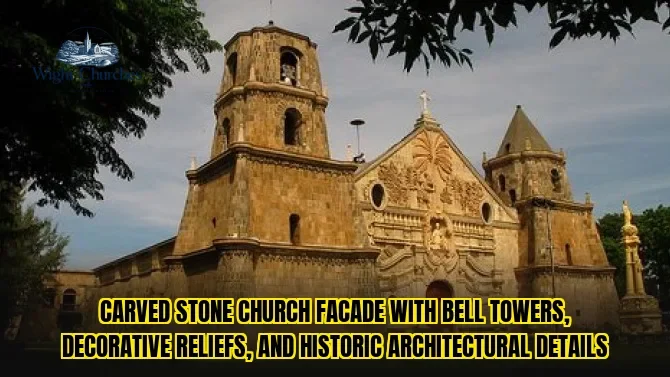
When visiting any of the island’s churches, knowing what to look for dramatically enhances the experience. Norman buildings typically feature rounded arches, thick walls, and simple geometric decoration. Gothic additions introduce pointed arches, ribbed vaulting, and elaborate tracery windows. Victorian restorations often brought polychrome brickwork, encaustic tile floors, and richly coloured stained glass. The complete guide to isle of wight churches encourages visitors to approach each building as a layered text, reading the architectural clues to understand when and why different parts were built or modified.
Complete Guide To Isle Of Wight Churches: Key Architectural Periods Compared
| Period | Approximate Dates | Key Features | Notable Example |
|---|---|---|---|
| Saxon | Pre-1066 | Simple nave, small windows, timber elements | St. Mildred’s, Whippingham (foundations) |
| Norman | 1066–1200 | Rounded arches, thick stone walls, carved capitals | St. Mary, Carisbrooke |
| Early English Gothic | 1200–1300 | Pointed arches, lancet windows, lighter stonework | St. George’s, Arreton |
| Perpendicular Gothic | 1350–1550 | Large windows, fan vaulting, flattened arches | St. Thomas, Newport |
| Victorian | 1837–1901 | Restoration work, stained glass, decorative tiles | St. Mildred’s, Whippingham |
Stained Glass As Sacred Storytelling
Perhaps no architectural feature captures the imagination quite like stained glass, and the island’s churches contain some remarkable examples spanning multiple centuries. Medieval glass fragments survive in several churches, while Victorian glaziers created elaborate narrative windows depicting biblical scenes, local saints, and memorial tributes to island families. The quality and variety of stained glass found across the island’s parishes is genuinely exceptional, and the complete guide to isle of wight churches strongly recommends taking time to study these windows carefully. Each panel tells a story that connects the spiritual with the deeply personal.
Conclusion
The complete guide to isle of wight churches reveals an island that is far more than a seaside holiday destination. It is a living museum of English ecclesiastical heritage, where Saxon foundations, Norman stonework, Gothic elegance, and Victorian craftsmanship coexist in remarkable harmony. Whether you spend a single day or several weeks exploring these sacred spaces, each visit offers new discoveries and deeper appreciation for the communities that built and sustained them across the centuries. To plan your visit and access detailed information about specific churches, routes, and opening times, explore the full resources available at Wight Churches and begin your journey into one of England’s most rewarding ecclesiastical landscapes.
Xem thêm: top historic churches in isle of wight